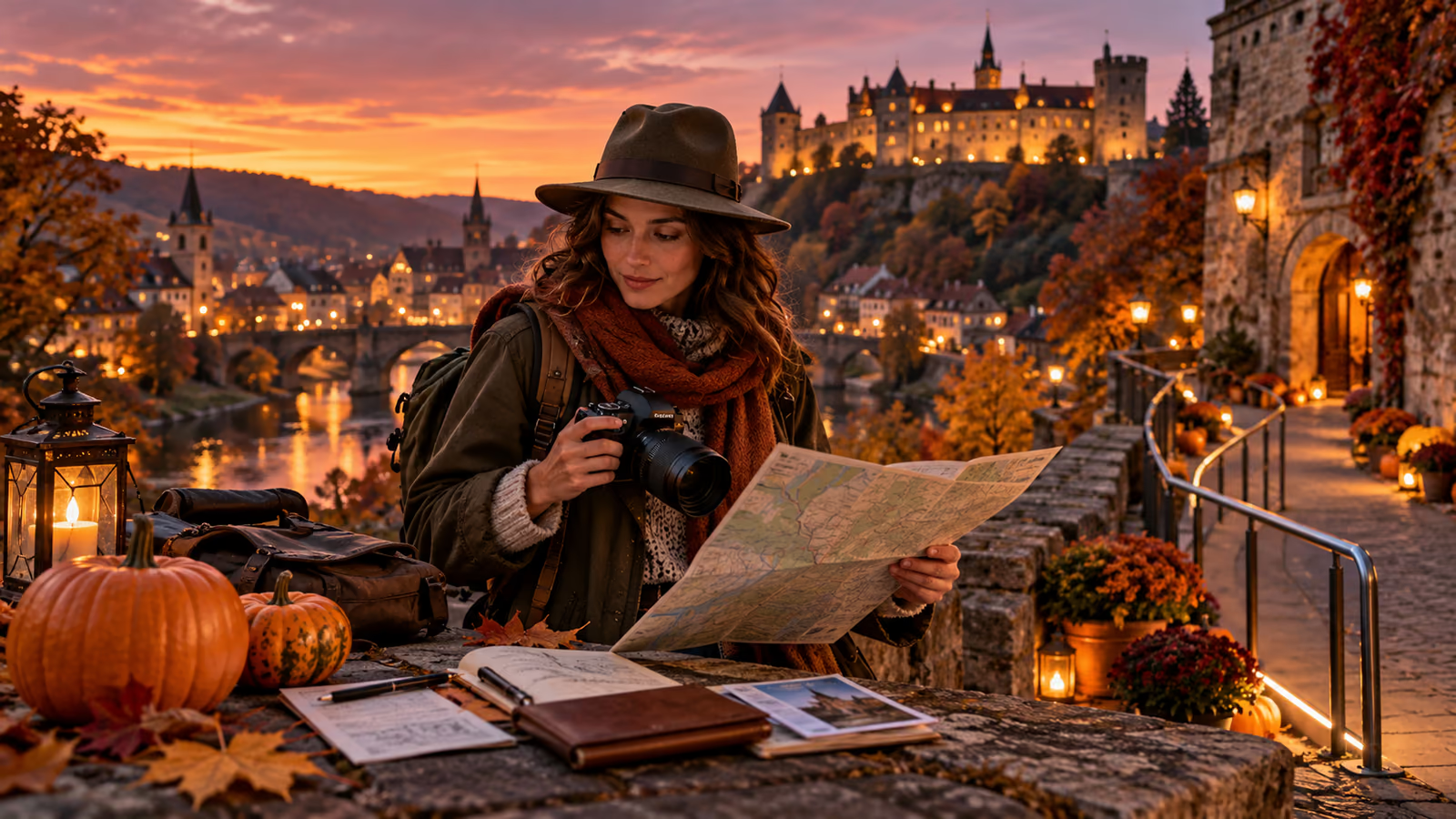
A travel creator finds a cinematic “haunted” location, repeats a story from a popular clip, and posts the address with a booking link. The site is private after dark, the historical claim is unverified, and viewers arrive without knowing the terrain or refund terms. Seasonal travel content should increase wonder without moving risk or confusion to the audience.
TikTok's Halloween Travel Guide was published October 6 and highlights destinations inspired by #FilmTok, #BookTok, and local creators, including in-app booking tags on some posts. The U.S. Federal Trade Commission's endorsement guidance explains that material relationships should be disclosed clearly. Verify the exact TikTok article, destination rules, booking product, and law that apply when publishing.
Growit o1 is an expressive pocket AI device in development. Its current Sight workflow is an owner-triggered connected beta that requires a compatible connected service after setup. Final capabilities, supported services, pricing, and availability will be announced before sales open. In this guide, o1 is a deliberate review prompt rather than an autonomous publisher, account operator, fact checker, contract reviewer, or source of guaranteed performance.
Every destination card should tell the viewer what is verified, what access is permitted, what relationship exists, and what conditions could change the trip.
Build one card per location
| Field | Record before filming |
|---|---|
| Identity | Official name, address, owner or authority, and verified website |
| Access | Hours, ticket, age rule, reservation, private areas, filming permission, and drone rule |
| Story | Primary record, folklore label, quoted source, uncertainty, and correction contact |
| Safety | Transport, lighting, terrain, weather, crowd, emergency route, and check-in plan |
| Visitor | Accessibility, sensory conditions, language, restroom, companion, and service-animal notes |
| Commerce | Booking provider, price capture, fees, refund terms, affiliate or paid relationship, and date |
Verify the place before the legend
Use the destination's official site, land manager, venue operator, public records, or local historical institution. Separate documented history from folklore and personal experience. Attribute a story rather than stating it as fact when the evidence is uncertain. Avoid publishing access routes that cross private property or reveal sensitive cultural, ecological, or residential locations.
Use Growit's trend tools to collect candidate ideas and script tools to structure the story, then confirm every location detail manually.
Ask what the camera changes
Get permission for commercial filming, tripods, lighting, drones, interiors, staff, guests, minors, artwork, and music. A public ticket does not automatically authorize a commercial shoot. Do not block paths, stage a trespass, provoke staff, or encourage viewers to recreate unsafe access for a dramatic opening.
Show conditions honestly
State whether footage was captured during a press visit, quiet hour, paid tour, or ordinary admission. Do not grade color or edit crowds in a way that misrepresents lighting, capacity, terrain, or wait time. If reenactment or generated imagery appears, label its role where viewers could mistake it for documentary evidence.
Disclose the booking path
The FTC says disclosures should be hard to miss and placed with the endorsement. Name sponsored travel, gifted access, affiliate compensation, or another material connection in plain language. Confirm the current price, fees, included items, cancellation terms, availability, and destination before publishing. A platform tag does not replace a clear explanation of the relationship.
Publish the safety and access layer
Include arrival route, daylight and night differences, surface conditions, weather exposure, cell coverage, crowd expectations, and emergency information relevant to the visit. Give accessibility facts from the operator and distinguish them from your observation. Do not recommend a location as universally accessible or safe based on one trip.
Use o1 only as a deliberate checkpoint: owner verified, access permitted, story sourced, conditions shown, relationship disclosed, safety plan active, correction owner named. Keep permissions, source captures, receipts, booking terms, releases, route notes, and post-publication corrections together. A useful travel story helps viewers decide whether the trip fits them without turning mystery into missing context.