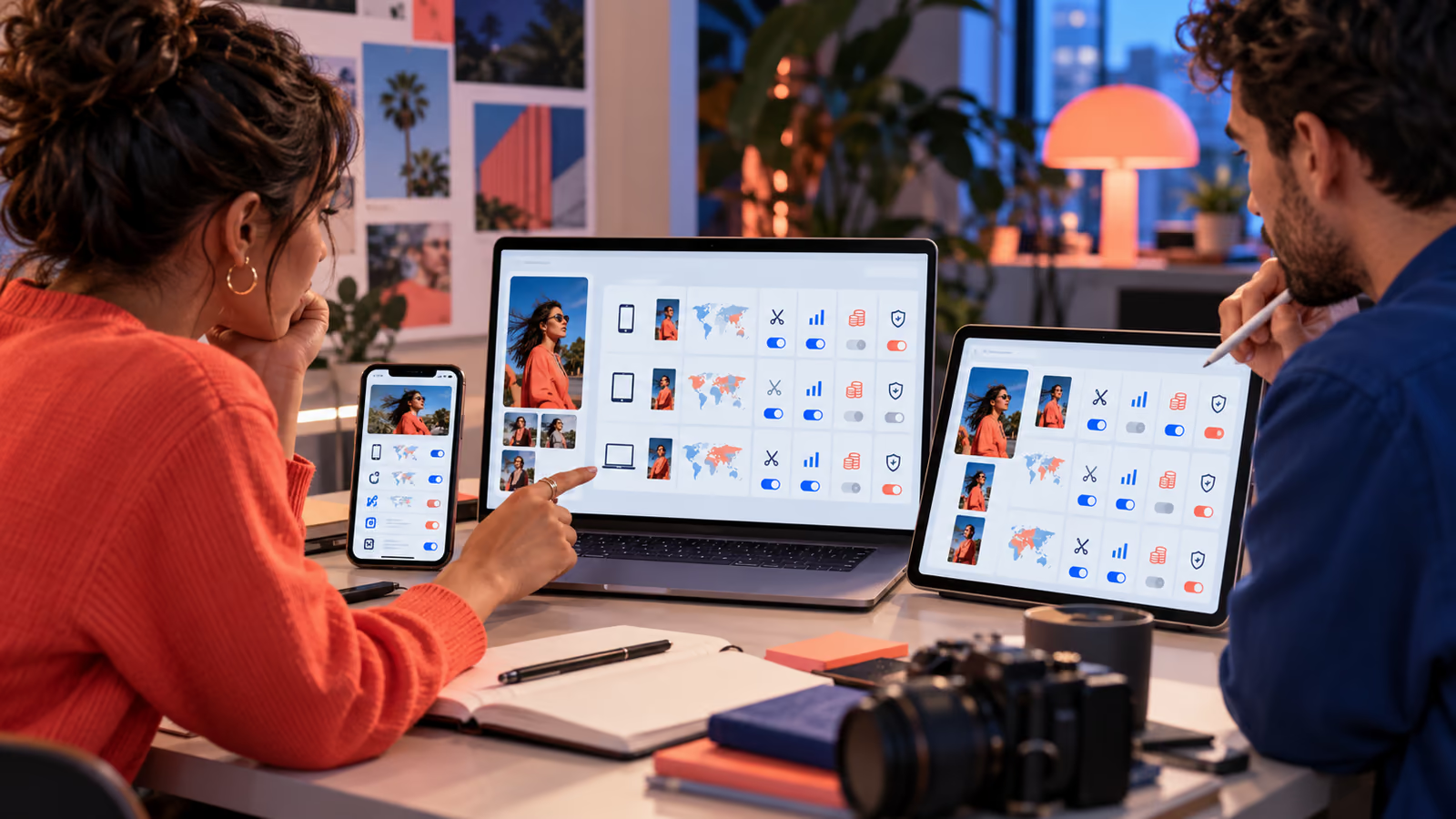
A creator approves a TikTok post for one brand campaign, then discovers the same face, voice, and claim running across unfamiliar mobile apps. The media plan expanded, but the usage term, placement list, edit rights, and compensation did not become clearer. Paid reach should scale only as fast as the creator's authorization record.
TikTok announced TikTok Ad Network availability for U.S. targeting on October 5, describing campaign delivery beyond TikTok across third-party app inventory. Its September 30 post on ShopMy and Spark Ads describes discovery, authorization, and paid amplification of affiliate creator posts. Performance figures in both pages are TikTok or partner claims; they are not guaranteed outcomes for a creator or advertiser.
Growit o1 is an expressive pocket AI device in development. Its current Sight workflow is an owner-triggered connected beta that requires a compatible connected service after setup. Final capabilities, supported services, pricing, and availability will be announced before sales open. In this guide, o1 is a deliberate review prompt rather than an autonomous publisher, account operator, fact checker, contract reviewer, or source of guaranteed performance.
No creator asset should move to a new placement, territory, edit, or paid identity without a matching permission, payment rule, and stop path.
Write the matrix before authorization
| Dimension | Exact decision |
|---|---|
| Asset | Post URL, source files, creator name, likeness, voice, caption, music, and product |
| Media | Organic post, Spark Ad, TikTok Ad Network apps, brand channels, landing pages, and excluded uses |
| Scope | Territory, language, devices, audience, start, end, spend ceiling, and renewal |
| Edit | Crop, caption, dub, hook, CTA, sequencing, synthetic change, and approval owner |
| Economics | Creation fee, usage fee, affiliate treatment, bonus, payment date, reporting, and tax |
| Control | Claim update, unsafe placement, complaint, pause authority, takedown time, and archive |
Distinguish the post from the media license
An organic post, affiliate link, ad authorization, and broader off-platform placement are separate decisions. Record which account grants permission and what the viewer sees as the advertiser or creator identity. Do not assume an existing campaign, platform control, or performance-prediction signal grants every usage right.
Qualified counsel should review material agreements. Use Growit's sponsorship tools to organize partner research and o1 creator guides for a deliberate preflight, while keeping negotiation and authorization with named people.
Audit the claim in every context
A product statement that is understandable in a full post may become misleading after a short crop or placement beside unrelated content. Freeze the approved wording, evidence, qualification, demonstration conditions, price date, and destination. Require review for new hooks, subtitles, translations, voiceovers, or calls to action. Remove expired offers promptly.
Price the expanded use
Separate the labor to make content from the license to distribute it. Consider term, territory, paid spend, placement breadth, exclusivity, likeness prominence, edit control, category conflict, and renewal. Define whether affiliate revenue continues when a paid campaign uses the asset and how conversions are attributed. Keep platform-reported metrics separate from invoices and contract definitions.
Check placement and brand safety
TikTok describes third-party verification and placement controls, but a creator should still define unacceptable categories, app contexts, audiences, and geographic uses. Ask how placement reports, invalid traffic, viewability, complaints, and exclusions will be shared. Establish a rapid pause path for unsafe adjacency, impersonation, incorrect claims, or unauthorized edits.
End the campaign cleanly
Calendar the authorization end date, renewal decision, affiliate link state, landing-page update, asset removal, archive, and final report. Test whether the responsible party can actually pause delivery and document when removal completes. Preserve the original post and approved version so later reporting does not confuse paid edits with creator-authored work.
Use o1 only as a deliberate checkpoint: asset identified, media listed, term current, edits bounded, claims supported, compensation written, exclusions set, takedown tested. Expanded distribution can create value, but the creator should be able to see exactly where their work is allowed to travel and how to bring it home.