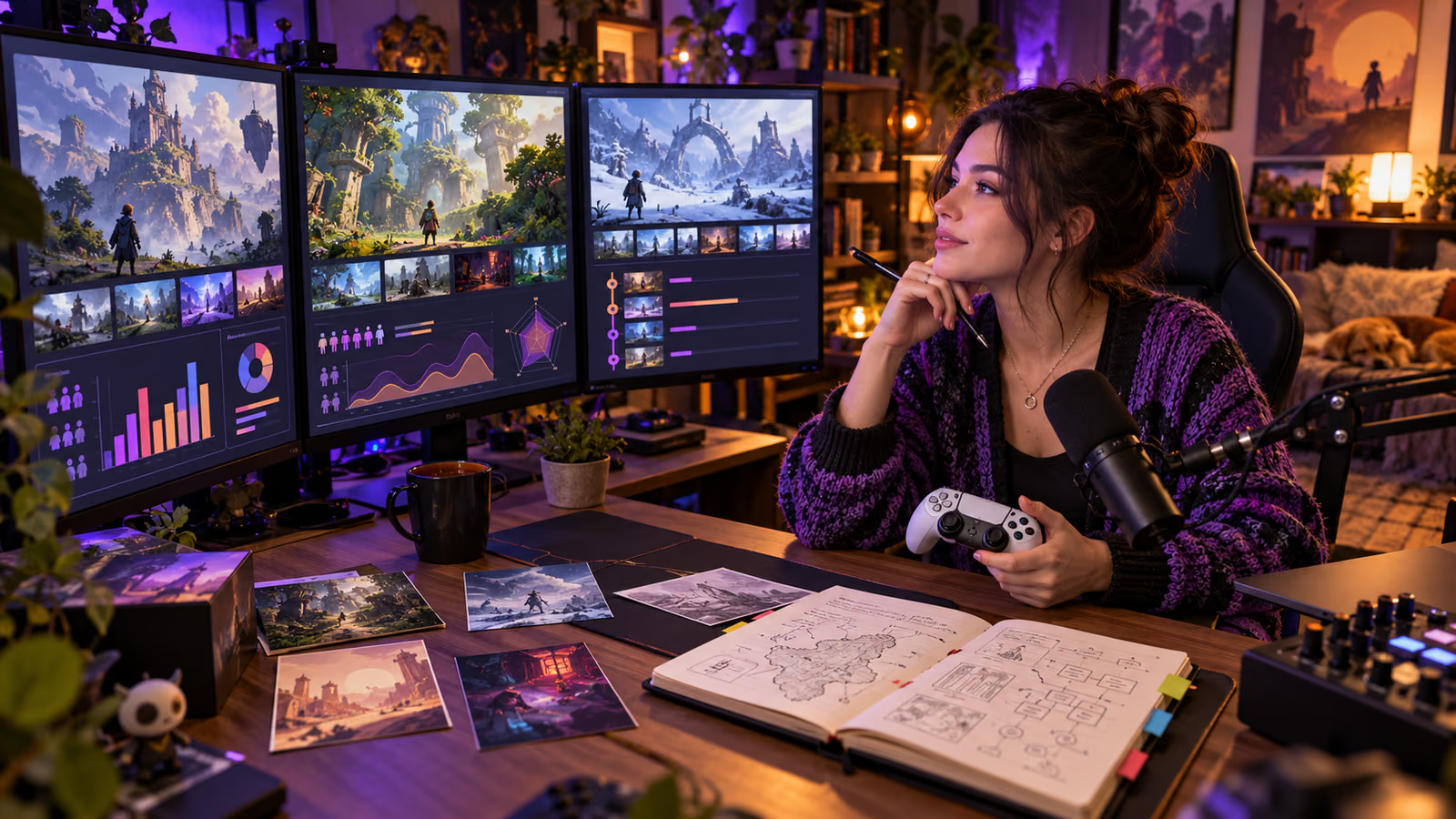
A report says indie-tagged viewing grew, so a creator replaces the whole schedule with whatever small game is trending. That conclusion is too large for the evidence. Platform momentum can justify a bounded experiment, but the creator still needs an audience hypothesis, developer permissions, a repeatable segment, and a comparison that separates the game from the show format.
This guide uses two primary references: Twitch: State of Gaming 2026 and Twitch Help: Categories and tags. Product access, program eligibility, and platform rules can change, so verify the live account and current terms before acting.
Growit o1 is an expressive pocket AI device in development. Its current Sight workflow is an owner-triggered connected beta that requires a compatible connected service after setup. Final capabilities, supported services, pricing, and availability will be announced before sales open. In this guide, o1 is a deliberate review prompt rather than an autonomous publisher, account operator, or source of guaranteed performance.
Use platform-level momentum to choose a question worth testing, not to declare that a category will grow your channel.
Put the handoff on one page
| Checkpoint | Record |
|---|---|
| Question | Which viewer need and channel strength the test examines |
| Game fit | Genre, pace, audience overlap, access, embargo, and content risk |
| Live format | Opening proof, recurring segment, chat role, and closing payoff |
| Discovery | Accurate category, precise tags, title promise, and promotion |
| Evidence | Baseline, arrivals, retention, follows, chat quality, and next test |
Read the report at the right level
Twitch's 2026 State of Gaming report reports growth in indie-tagged viewing and highlights several genres and regional differences. Those figures describe Twitch activity over a defined period, not a promise for one channel. Record the report's date, scope, metric, and the gap between a platform trend and your own audience.
Choose a testable fit
Shortlist games whose pace, skill, humor, story, or community behavior fits what current viewers already value. Check press-key terms, embargoes, sponsorship disclosure, streaming restrictions, music, mature content, and developer assets. Ask one question: does a guided first-look format keep returning viewers while attracting qualified new viewers? Keep the game and format stable long enough to learn.
Package discovery truthfully
Follow Twitch's categories and tags guidance: use the category that accurately describes the live content and precise tags that help viewers understand it. Do not borrow a larger game's category. Write a title that names the experience and viewer role, then explain the premise within the first minute for people arriving midstream.
Build a repeatable live artifact
Create a scorecard for onboarding clarity, spectator readability, chat decisions, surprise moments, technical performance, and follow-up potential. Schedule consistent segments such as first impression, one mechanic deep dive, community challenge, and final verdict. Use Growit's outlier finder for idea organization, then verify observations in the live analytics. Review o1 creator guides before a connected checkpoint.
Compare without overclaiming
Compare arrivals, average viewers, first-15-minute retention, qualified follows, chat participation, and clip-worthy moments with similar streams on the same channel. Note release timing and promotion changes. One win does not prove a niche, and one weak result may reflect packaging. Use o1 only as an owner-triggered review prompt: evidence scoped, rights checked, category accurate, format rehearsed, baseline saved.
Keep the approved brief, source links, dated screenshots, owner names, and correction log together. A strong workflow makes the next decision inspectable without pretending that a tool, trend, or platform program guarantees reach, revenue, or safety.